

In today’s digital learning landscape, students expect more than just information — they crave connection, clarity, and engagement. Educational videos have become one of the most powerful teaching tools, but not every video delivers impact.
The secret lies in how the content is crafted. Here’s how to create educational videos that truly engage and inspire your learners.
1. Start With Purpose and Structure
Every great educational video begins with a clear goal. Ask yourself:
- What is the main learning objective?
- Who is the target audience?
- What specific problem or question does this video address?
With these answers, you can design a clear and concise structure — a beginning that introduces the topic, a middle that delivers key insights, and an ending that summarizes and motivates action.
2. Make It Visually and Mentally Engaging
Visual storytelling keeps learners’ attention. Use graphics, diagrams, animations, or real-life demonstrations to bring abstract ideas to life. Alternate visuals regularly to prevent monotony.
Pair visuals with a clear and friendly voice-over. Research shows learners retain information better when audio and visual elements complement each other.
💡 Pro Tip: Keep on-screen text minimal. Emphasize only the most important words, formulas, or numbers.
3. Build Human Connection
Even in online learning, human presence matters. Show your face when possible — learners engage more deeply when they can see emotion and authenticity.
Use a conversational tone, natural gestures, and short personal anecdotes to make your teaching feel alive and relatable.
4. Keep It Short and Focused
Shorter videos improve engagement and retention. Aim for 5–10 minutes per topic. For more complex subjects, create a video series with clear progression between modules.
Micro-learning helps learners absorb information in manageable chunks.
5. Encourage Active Learning
Don’t let your video be a passive experience. Add moments for:
- Quick reflection or note-taking
- On-screen questions
- Mini quizzes or interactive pauses
If your platform supports it, use interactive tools to let learners choose paths, answer questions, or explore examples.
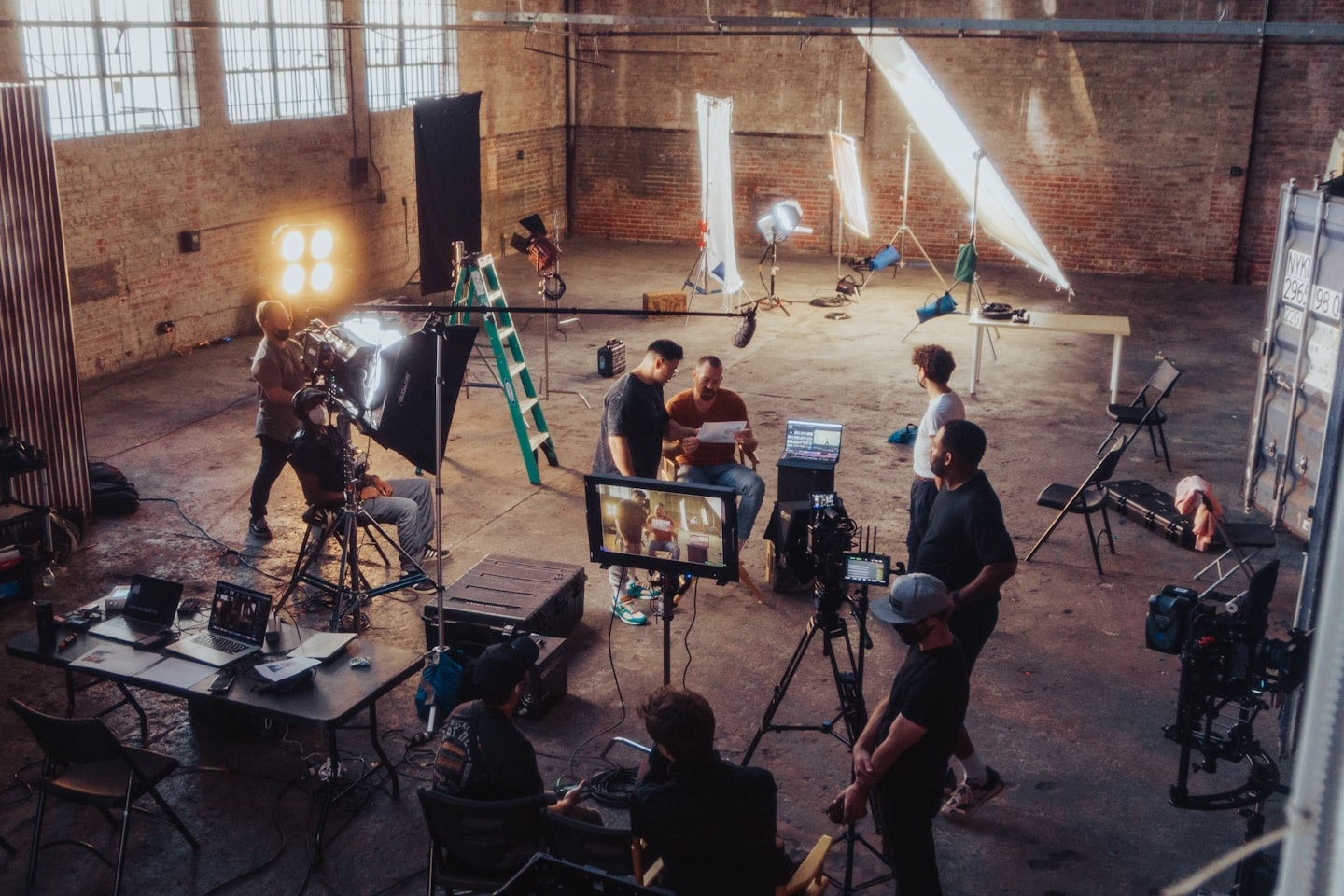
6. Ensure Quality Sound and Lighting
Good production values make a huge difference. Invest in:
- A reliable microphone
- Soft, even lighting on your face and background
- A quiet, uncluttered environment
Professional-quality audio and video build trust and credibility with your learners.
7. Test, Iterate, and Improve
Your first video won’t be perfect — and that’s okay. Use analytics to track engagement:
- Where do viewers drop off?
- Which parts do they replay?
- What feedback do they share?
Refine your future videos based on this data. Continuous improvement keeps your content fresh and effective.
Final Thoughts
The most effective educational videos go beyond simply teaching — they transform learning. Through purposeful structure, human storytelling, and smart interactivity, you can craft videos that your learners will remember and revisit.
Engagement isn’t about flashy effects; it’s about creating a learning experience that feels alive, meaningful, and human.
Leave a Reply